Table of Contents
- Quick Answer
- What Counts as a Broken Front Tooth?
- What Should I Do in the First Few Minutes?
- What If the Whole Tooth Is Knocked Out?
- Which Mistakes Make the Damage Worse?
- Can a Chipped Tooth Wait for a Regular Visit?
- How Can I Protect a Broken Tooth Before the Visit?
- How Can I Prevent Future Breaks?
- Frequently Asked Questions
- Related Reading
- About the Author
What you do in the first minutes after a front tooth breaks can decide how much of it a dentist can save.
Chipped a front tooth and not sure whether it counts as an emergency? A broken front tooth is usually worth treating promptly, because rough edges can cut the lips and tongue, and the damage can get worse. Contact a dentist right away, apply a cold compress and keep any piece you find.
Emergency dentistry is care for sudden injuries like this one, delivered quickly to protect the tooth and relieve pain. What a person does before reaching a dental chair can decide whether the tooth is saved, and fall sports and everyday accidents make these injuries common.
Quick Answer
Protect a broken front tooth by contacting a dentist right away, applying a cold compress to the outside of the mouth and pressing gauze on any bleeding. Keep any piece you find and handle a knocked-out tooth only by the crown. A painless chip should still be repaired, because sharp edges can cut the lips and tongue.
Key Takeaways
- Contact a dentist right away when a tooth breaks, and bring any piece you find.
- A cold compress on the outside of the mouth eases pain, and gauze controls bleeding.
- A knocked-out adult tooth can sometimes be replanted if it is kept from drying out.
- Hold a tooth by the crown, and do not scrape, wipe or clean it with alcohol.
- A painless chip may not need an emergency visit, but it should still be fixed.
What Counts as a Broken Front Tooth?
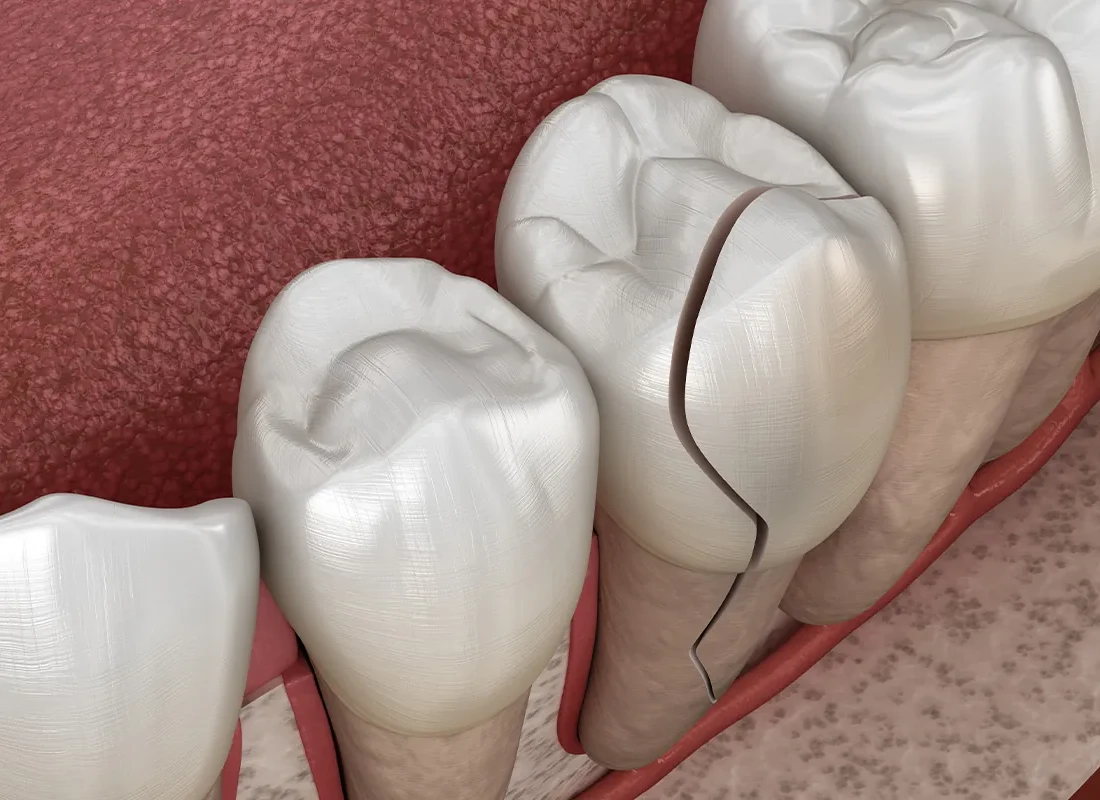
The term covers a range of injuries, from a small chip on the biting edge, to a crack, to a tooth knocked out completely. According to MedlinePlus, the usual causes are accidental falls, sports-related trauma, fights, car accidents and biting on hard food.
Front teeth are exposed, so they are often among the ones hurt in a fall or a collision. They are also the teeth people see, so a break there affects appearance as well as comfort.
What Should I Do in the First Few Minutes?
Start by easing pain and bleeding. Apply a cold compress to the outside of the mouth to ease pain, and press gauze against any bleeding until it slows.
Then contact a dentist right away. The longer you wait, the less a dentist can save, so make the call before anything else on the list. Tell the office what happened, whether a piece came off and whether the tooth is loose or out completely.
What If the Whole Tooth Is Knocked Out?
An adult tooth that has been knocked out can sometimes be put back in place, which is called replanting. Baby teeth are not replanted. Hold the tooth by the crown, the part that shows in the mouth, and not by the root.
If possible, rinse the tooth briefly and place it back in the socket so it sits level with the neighboring teeth, then bite gently on gauze or a wet tea bag to hold it. Be careful not to swallow it. If it cannot go back, store it in a small container of milk. An adult can also hold it inside the cheek. For a young child, use milk instead of the cheek, since a small child could swallow or choke on the tooth.
A tooth that has been replanted may need a root canal to remove the damaged nerve inside it. A tooth-saving storage kit, which includes a travel case and a fluid solution, may be available at a dental office, and a family can keep one in the home first aid kit.
Which Mistakes Make the Damage Worse?
Several well-meant actions damage the tooth. Handling the root of the tooth is one. Scraping or wiping the root to remove dirt is another, and so is cleaning the tooth with alcohol or peroxide. Letting the tooth dry out also damages it.
Waiting to see whether the problem goes away is a mistake too. A dentist can judge how deep a break goes, which a person looking in a mirror cannot.
Can a Chipped Tooth Wait for a Regular Visit?
A small chip may not need an urgent visit, but a tooth that does not hurt can still be badly broken. It needs repair either way, because sharp edges can cut the lips or tongue and the exposed tooth is more likely to break further.
Spreading facial swelling, fever or teeth that no longer close together call for faster action. When in doubt, call the office and describe what you see.
How Can I Protect a Broken Tooth Before the Visit?
A few choices at mealtimes protect a damaged tooth until the visit. Chewing on the opposite side keeps pressure off the break, and soft foods put less force on it than crunchy ones. Very hot or very cold drinks may make an exposed tooth ache, so lukewarm choices are gentler.
Biting into hard foods with the injured tooth can turn a small break into a large one. A tooth that already has a crack deserves the same caution as one with a visible chip.
How Can I Prevent Future Breaks?
Several of the causes are avoidable. A mouth guard worn during any contact sport absorbs some of the force that would otherwise land on the front teeth. Avoiding fights and wearing a seatbelt guard against two other common causes.
A restored front tooth needs the same care as a natural one, so keep up the same habits after the repair.
Frequently Asked Questions
What should I do with the broken piece of my tooth?
Save any piece that has come off and bring it to the dentist, keeping it in a little milk if it is small enough to lose. Do not scrub it or clean it with alcohol. The dentist may be able to use the piece in the repair, depending on the break.
When should a broken tooth go to the emergency room?
Go to the ER or call 911 if swelling spreads toward your eye or neck, you have trouble breathing or swallowing, or bleeding won’t stop. A fever with facial swelling needs care the same day. If the upper and lower teeth no longer close together, the jaw may be broken, which needs medical help right away at a dentist’s office or a hospital.
What foods are most likely to break a tooth?
Hard foods can crack teeth. Bones, stale bread, tough bagels and unpopped popcorn kernels are common culprits. Biting down slowly on a food you are unsure about, or cutting it into smaller pieces, gives you more control than biting straight in with the front teeth.
Related Reading
About the Author
This post was reviewed by Dr. Marc Chemla, DDS, who earned his Doctor of Dental Surgery at the University of Southern California, Herman Ostrow School of Dentistry, and a doctorate degree at Marseille Schools of Dentistry in France. He practices cosmetic and general dentistry and is a member of the American Dental Association and California Dental Association.
- If you want to learn more about urgent tooth care, visit our Emergency Dentistry in Beverly Hills, CA, page or schedule a consultation.