
Table of Contents
It surprises most patients to hear it, but the answer is often yes — a dentist may be exactly the right person to treat your recurring headaches. When migraines and tension headaches trace back to an overworked jaw, treating the jaw treats the headache. That is the idea behind Botox for TMJ and migraine relief in Beverly Hills, one of the most effective non-surgical tools we have for breaking the pain cycle.
Key Takeaways
- Many chronic headaches start in the jaw: clenching and grinding keep the chewing muscles in constant contraction, and that tension radiates into the temples and head.
- Botox placed into the masseter and temporalis muscles calms the overactivity at its source, without changing how you chew, speak, or smile.
- Relief typically begins within days, builds over about two weeks, and lasts three to four months per treatment.
- Dentists are uniquely qualified to deliver these injections because the treatment is all about jaw anatomy and bite mechanics.
- Botox pairs well with a custom nightguard, which protects your teeth while the muscles learn to relax.
The Jaw–Headache Connection
Your temporomandibular joints (TMJ) sit just in front of your ears, hinging thousands of times a day as you chew, speak, and swallow. The muscles that power that hinge — the masseter along your jaw and the fan-shaped temporalis at your temples — are among the strongest in your body for their size.
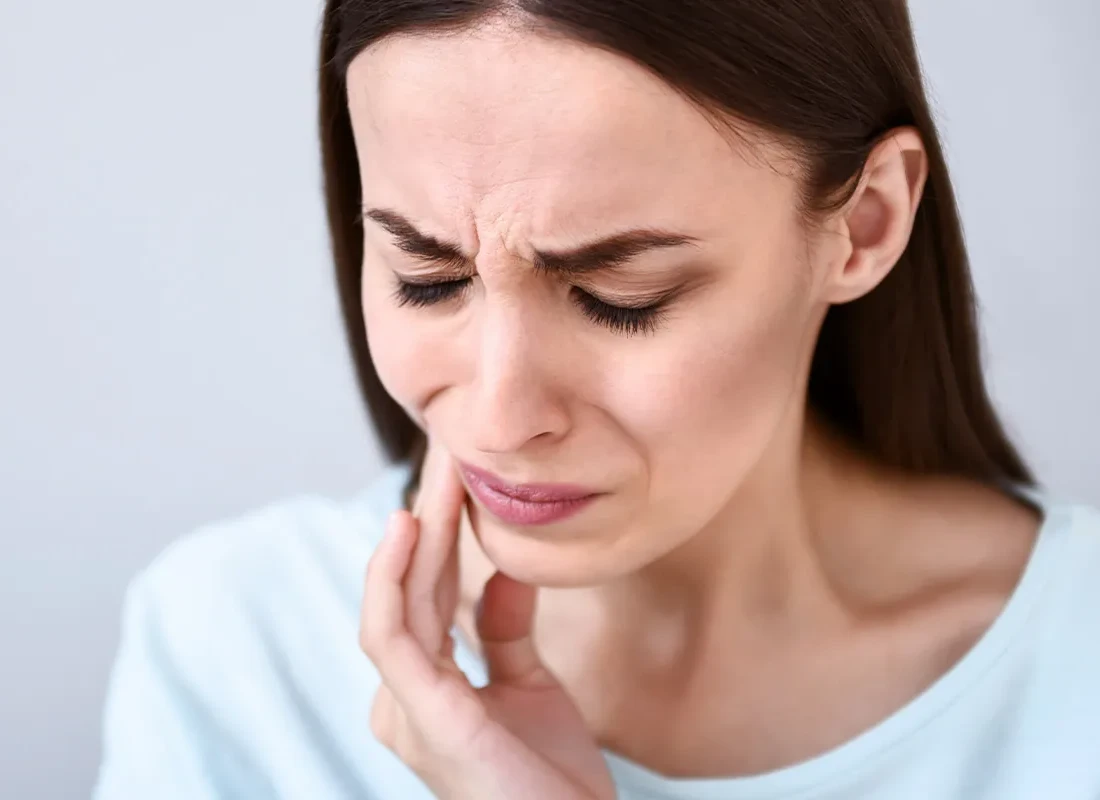
When stress, habit, or nighttime bruxism keeps those muscles clenched for hours at a time, they never get to rest. The strain inflames the joint, and the tension refers upward into the temples, behind the eyes, and across the head. Patients describe waking up with a tight jaw and a dull band of pressure that builds into a headache by afternoon. If that sounds familiar, your headaches may have a dental address.
How Botox Breaks the Cycle
Botox (botulinum toxin type A) temporarily reduces how forcefully a muscle can contract. Placed in small, measured doses into the specific zones of the masseter and temporalis that are working overtime, it dials the muscle activity down from a constant clench to a normal resting state.
The dose is therapeutic, not cosmetic: it calms the overactivity without freezing the muscle. Chewing, speech, and facial expression stay completely natural. Many patients also notice a welcome side effect — as the enlarged masseter muscle relaxes over a few months, the jawline often looks subtly slimmer.
What the Appointments Are Like
The visit itself is short. After an exam of your joint, bite, and muscle tension — at our practice, that includes digital imaging and iTero scanning — the injection sites are mapped and marked. The injections themselves take only minutes with an ultra-fine needle; most patients describe a brief pinch. There is no downtime, so you can head straight back to work.
Relief usually begins within three to seven days and reaches full effect at about two weeks. Results last three to four months, and with consistent maintenance visits, many patients find the muscles gradually become less tense overall.
Is It Right for You?
Botox for TMJ tends to help most when several of these are true: your jaw is sore or tired in the morning, your headaches concentrate at the temples, you catch yourself clenching during the day, a partner hears grinding at night, or your teeth show flattening and chips from muscle force. A proper exam matters, because headaches have many causes — the goal is to confirm the jaw is truly the source before treating it.
For nighttime grinders, pairing Botox with a custom nightguard protects the enamel while the muscles calm down — treating both the force and its consequences.
Start With a Consultation
If you have been managing headaches with painkillers for years, a jaw evaluation may be the missing piece. Dr. Chemla personally administers every treatment at Beverly Hills Cosmetic Dentistry, mapping your facial anatomy so every unit of Botox goes exactly where it is needed. Request an appointment or call us to find out whether your headaches and your jaw are connected.