Table of Contents
- Table of Contents
- What Are Dental Implants and How Do They Work?
- Why Timing Matters After Tooth Loss
- What to Expect During the Implant Process
- Factors That Affect Implant Eligibility
- Things to Consider Before Getting Dental Implants
- Benefits of Getting Dental Implants
- What Can Affect How Long Implants Last?
- What Is Recovery Like?
- Frequently Asked Questions
- What to Know Before Moving Forward with Dental Implants
Losing a tooth can change more than just your smile. It can affect how you eat, speak, and even how your jaw functions over time. If you are considering getting dental implants, understanding the process can help you feel more prepared and confident in your decision. Dental implants are designed to restore both appearance and function, making them a reliable option for long-term tooth replacement, especially when exploring solutions like implants as part of rebuilding oral health.
Key Takeaways
- Getting dental implants is a structured, multi-step process focused on long-term success.
- Bone health plays a major role in determining eligibility and outcomes.
- Implants help restore function, appearance, and jaw stability.
- Healing time is essential for proper integration with the bone.
- Long-term care and habits influence how well implants perform over time.
Table of Contents
- Key Takeaways
- How Grinding Damages Your Teeth
- Common Signs of Grinding-Related Damage
- Can Cosmetic Dentistry Repair Grinding Damage?
- Treatment Options for Different Levels of Damage
- Why Treating the Cause Matters
- Long-Term Benefits of Cosmetic Restoration
- Frequently Asked Questions
- Restoring Teeth Damaged by Grinding
- Sources
What Are Dental Implants and How Do They Work?
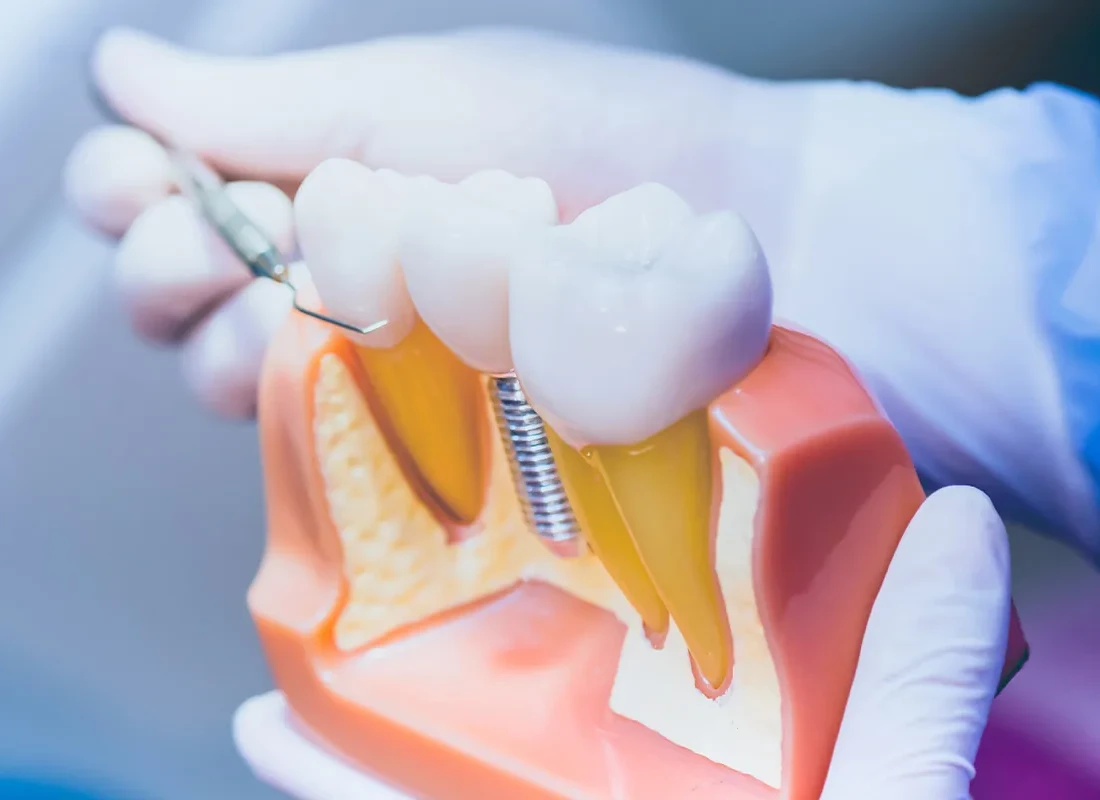
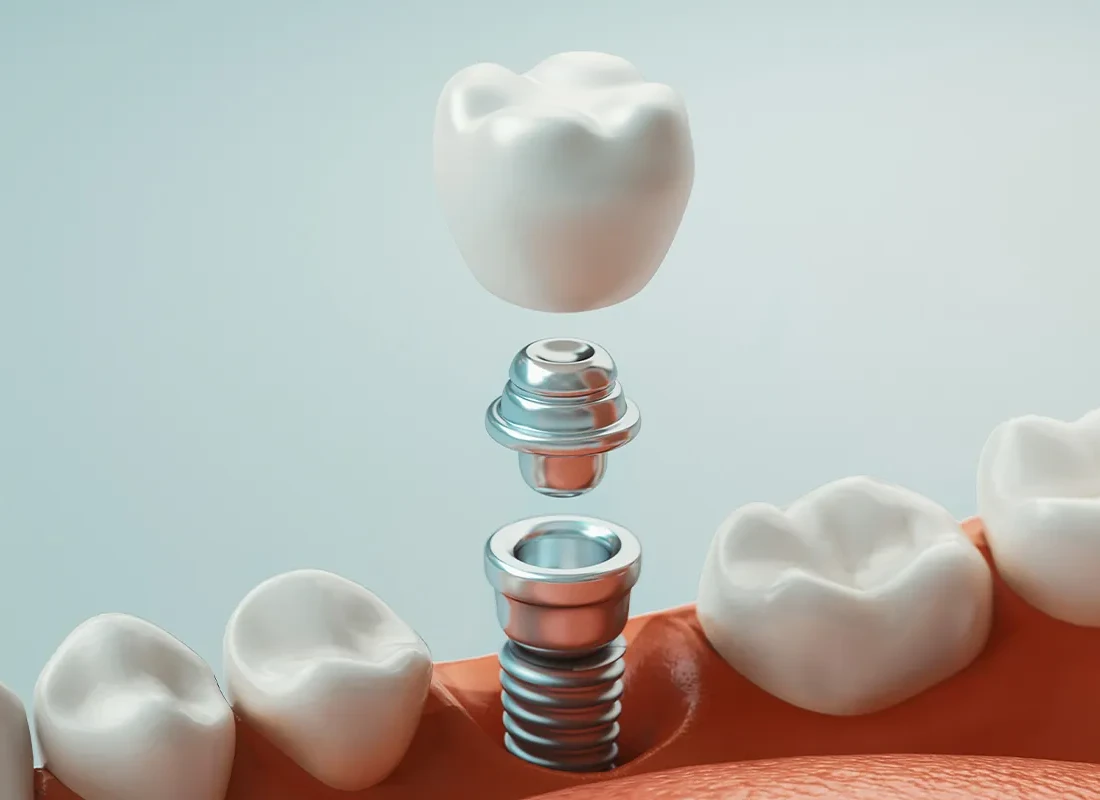
Dental implants are small posts placed into the jawbone to act as artificial tooth roots. Once positioned, they support a replacement tooth that looks and functions like a natural one. Unlike removable options, implants stay securely in place, allowing you to eat and speak with confidence.
The key to their success lies in how they integrate with the bone. Over time, the implant fuses with the jaw, creating a stable foundation. This process allows the replacement tooth to feel secure and function naturally, helping restore everyday comfort and balance.
Why Timing Matters After Tooth Loss
After a tooth is lost, the surrounding bone begins to change. Without stimulation from a natural tooth, the jawbone in that area may gradually shrink. These changes can affect both facial structure and future treatment options if left unaddressed.
Planning early for tooth replacement helps preserve bone and maintain alignment. While implants can often be placed later, delays may require additional procedures to rebuild lost bone. Addressing tooth loss sooner can simplify treatment and support better long-term results.
What to Expect During the Implant Process
Getting dental implants involves multiple stages that work together to ensure stability and success. The process usually begins with a detailed evaluation, where the dentist assesses your oral health and bone condition. Imaging is often used to guide precise placement.
After the implant is placed, a healing phase allows it to integrate with the jawbone. This stage is critical for long-term success and cannot be rushed. Once healing is complete, the final restoration is placed, completing the process and restoring function.
Factors That Affect Implant Eligibility
Not everyone begins the implant process in the same way. Several factors influence whether someone is a good candidate and how treatment is planned. These factors help guide treatment decisions and ensure the best possible outcome. A personalized evaluation helps determine the best approach. Key considerations include:
- Bone density and jaw structure
- Gum health and oral hygiene habits
- Overall health and healing ability
- Lifestyle factors such as smoking
Things to Consider Before Getting Dental Implants
Before moving forward with dental implants, it helps to understand what the process actually involves. Treatment typically unfolds over several months to allow for proper healing between stages, and costs can vary depending on the complexity of your case and any additional procedures needed along the way. Long-term success also depends on your commitment to good oral hygiene and staying current with follow-up visits so your dental team can monitor healing and make any necessary adjustments. Going in informed helps you approach each phase of treatment with confidence and realistic expectations.
Benefits of Getting Dental Implants
Dental implants offer several advantages compared to other tooth replacement options. Because they are anchored in the jawbone, they provide strong support and help maintain natural function. Many people find that implants feel more like natural teeth than removable alternatives. They also help preserve bone structure and prevent shifting of nearby teeth. In addition, implants can improve speech clarity and overall comfort. These benefits make them a preferred option for long-term tooth replacement.
What Can Affect How Long Implants Last?
Dental implants are designed to be durable, but their longevity depends on how well they are cared for over time. With proper care, implants can remain stable and functional for many years. Daily habits and overall oral health play a major role in maintaining results. Factors that influence how long implants last include:
- Consistent brushing and flossing
- Regular dental checkups and maintenance
- Avoiding tobacco use
- Managing habits like teeth grinding
What Is Recovery Like?
Recovery after implant placement varies from person to person. Some mild swelling or discomfort is normal in the first few days, but this typically improves quickly. The deeper healing process takes longer as the implant integrates with the bone.
Following care instructions is essential during this period. Maintaining good hygiene and attending follow-up visits helps support successful healing. Most people gradually return to normal routines while healing continues beneath the surface.
Frequently Asked Questions
How long does the implant process take?
The full process can take several months due to healing time, depending on individual needs.
Are dental implants permanent?
They are designed to be long-lasting with proper care and maintenance.
Is getting dental implants painful?
Most patients report minimal discomfort, especially with modern techniques.
Can I get implants years after tooth loss?
Yes, although additional procedures may be needed if bone loss has occurred.
How do I take care of dental implants?
Daily brushing, flossing, and regular dental visits help maintain their health.
What to Know Before Moving Forward with Dental Implants
Choosing to get dental implants after tooth loss is a meaningful step toward restoring both function and confidence. Understanding the process, timing, and long-term care involved can help you make a well-informed decision. While every situation is different, careful planning and proper maintenance play a key role in successful outcomes. With the right approach, solutions like implants can provide a stable and lasting way to replace missing teeth. Taking the time to learn about your options allows you to move forward with clarity and confidence in your oral health journey.
If you want to learn more about dental implants, visit our Dental Implants in Beverly Hills page or schedule a consultation.