Table of Contents
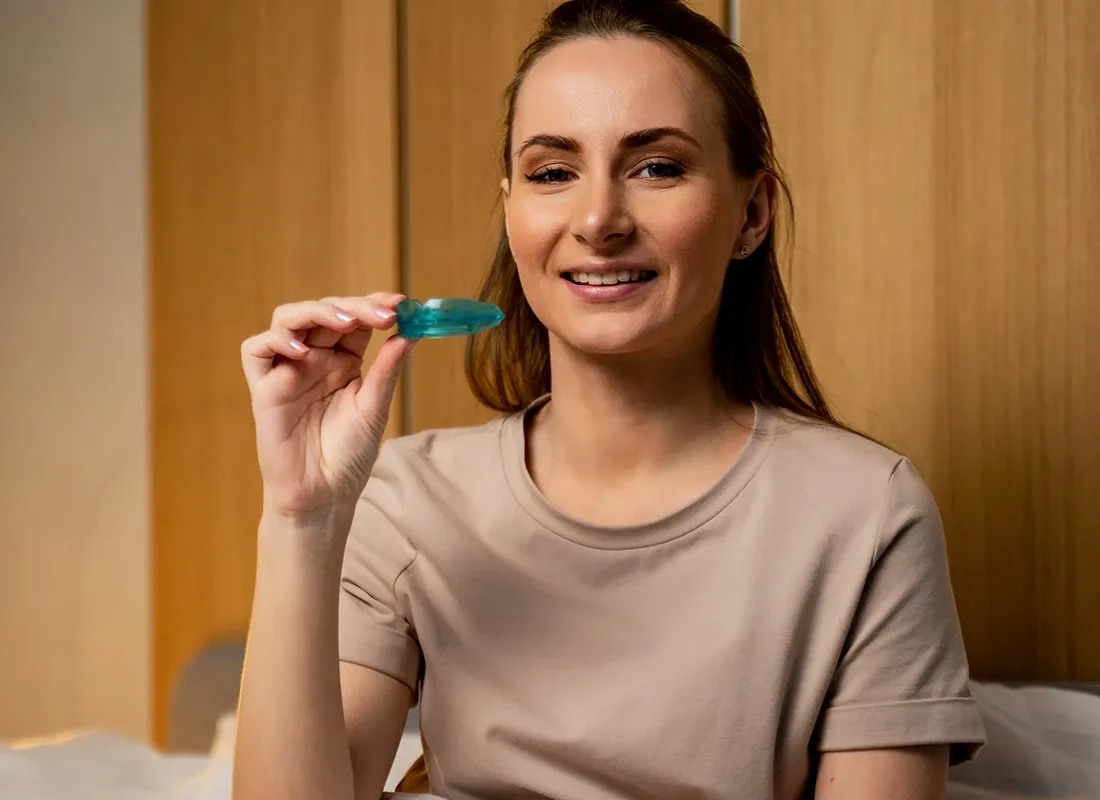
Tired of wrestling with a CPAP machine every night just to get some sleep? For a lot of people, oral appliances for sleep apnea are the quieter, comfier way to go. An oral appliance is a custom-made mouthpiece you wear overnight that eases the jaw into a position that keeps the airway open. As a low-key form of sleep apnea treatment, it wins over people who care about comfort and simplicity. And plenty of them had no idea a mouthguard-sized device could stand in for the machine at all.
Key Takeaways
- Oral appliances work best for mild-to-moderate obstructive sleep apnea, standing in as a comfortable CPAP alternative.
- They’re a good match for anyone who can’t tolerate CPAP or would just rather skip it, and comfort is a big reason why.
- A sleep study and diagnosis always come first, and only then does our dentist fit the device.
- You’ll need reasonably healthy teeth and gums to anchor the appliance, so candidacy rides on a sound foundation.
- The devices are small, quiet, and easy to pack, and each one gets fitted and fine-tuned for a precise, comfortable result.
Who Qualifies for Oral Appliances for Sleep Apnea?
Qualifying hinges on two things: how severe your apnea is and how healthy your mouth is. As the American Academy of Sleep Medicine explains through its Sleep Education resource, oral appliance therapy is most helpful for people with mild to moderate obstructive sleep apnea. It’s also a real option for anyone who can’t tolerate CPAP or simply won’t use it. A formal diagnosis from a sleep study has to come first, and a custom fitting from a trained dentist comes after. Skip the over-the-counter versions, since the whole results depend on a precise, tailored fit. From there, our dentist and your sleep physician work the decision out together, and that teamwork is a big part of why the therapy lands. A confirmed diagnosis keeps the treatment pointed in the right direction instead of left to guesswork.
How Do Oral Appliances Work?
The mechanics are refreshingly straightforward. The most common type, a mandibular advancement device, nudges your lower jaw forward just enough that the airway can’t collapse while you sleep. Air keeps moving, and the breathing pauses that chop up a night’s rest drop off sharply. Since it’s built for your mouth specifically, it sits comfortably and does its job without any fuss. No mask strapped to your face, no hose, no motor droning on the nightstand. For light sleepers, and the people trying to sleep next to them, that silence is its own kind of treatment. Plenty of couples notice they both rest better once the machine’s out of the room.
Who May Not Be a Good Candidate?
Oral appliance therapy has its limits, and it isn’t the right answer for everyone. Severe sleep apnea usually calls for the steady reliability of CPAP, which handles the more serious cases better. Heavy tooth loss, advanced gum disease, or an active jaw-joint issue can also rule an appliance out. A careful dental exam is what settles if the foundation is solid enough to move ahead. Being upfront about your symptoms and history makes that assessment sharper, and if an appliance isn’t the right call, our dentist will tell you so plainly.
What Should You Expect From Treatment?
Starting sleep apnea treatment with an oral appliance is a deliberate, unhurried process. Once you’ve been diagnosed, our dentist takes exact impressions and designs a device built around your mouth. Then comes a short break-in stretch, where the fit gets dialed in for both comfort and results. Follow-up visits keep it working the way it should, with small tweaks along the way, well past that first fitting.
Frequently Asked Questions
Are oral appliances as effective as CPAP?
For mild to moderate sleep apnea, they can hold their own, and people tend actually to wear them night after night. CPAP is still the more reliable pick for severe cases. Our dentist can help you weigh which one fits your situation.
Do I still need a sleep study first?
Yes. A diagnosis from a sleep physician is a must before any treatment starts. It pins down how severe your apnea is and shapes the whole plan from there.
Is the appliance comfortable to wear?
Since it’s made just for you, most people get used to it fast. It’s far smaller and quieter than a CPAP machine and easy to toss in a bag, and a short fine-tuning stretch is usually all it takes before it feels like second nature.
Sleeping Easier Without the Machine
Oral appliances for sleep apnea have put real rest back within reach for people who used to dread bedtime with a CPAP machine. For mild to moderate apnea, or for anyone after a gentler route, this quieter form of sleep apnea treatment can reshape how you feel day to day. It starts with a proper diagnosis, then a device made precisely for you. A consultation is what confirms you qualify and lays out the road ahead. Better sleep is often closer than it seems, and getting there is a comfortable enough trip, the kind that has you up for a clear-headed morning walk through the gardens at Greystone Mansion instead of dragging through the day.
- If you want to learn more about oral appliances for sleep apnea, visit our Sleep Apnea Appliances in Beverly Hills, CA, page or schedule a consultation.