Table of Contents
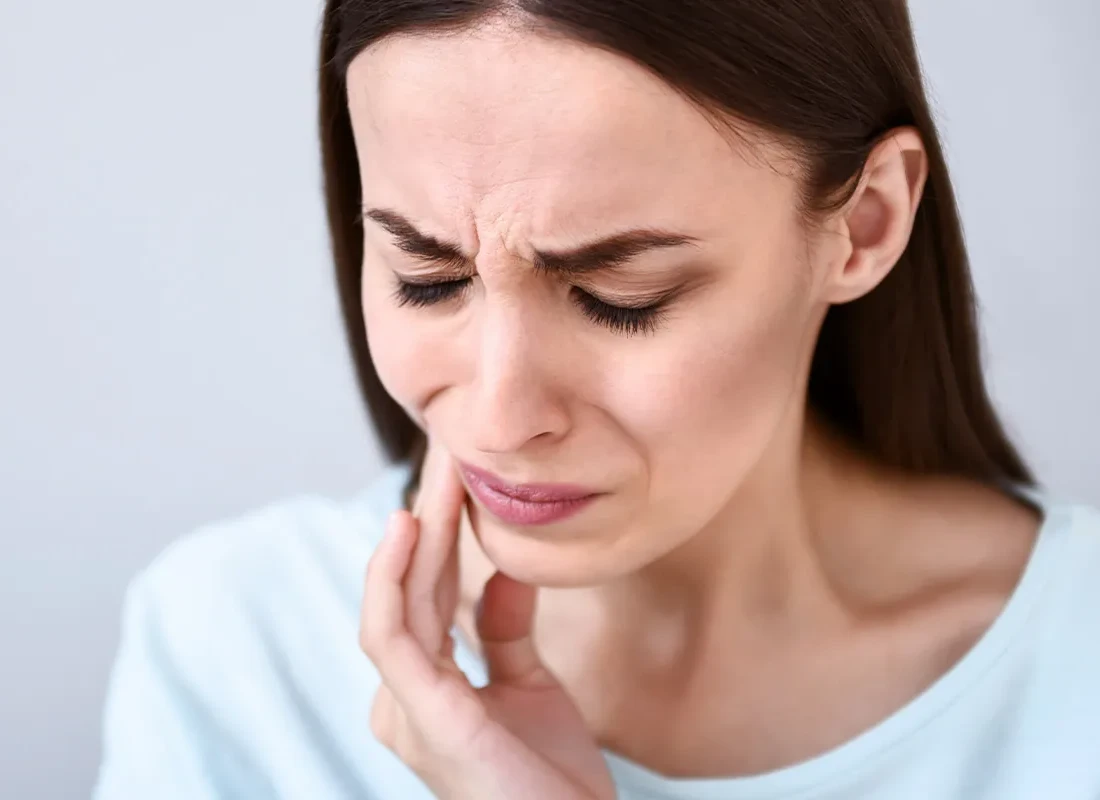
Why do your teeth suddenly ache when you sip something cold? For adults over 40, sudden tooth sensitivity is usually a sign that the protective layers of your teeth are wearing thin. Tooth sensitivity is a sharp, brief pain that happens when the inner layer of a tooth, called dentin, gets exposed to heat, cold, or sweets. A quick dental exam can pinpoint the cause, from a hairline crack to gum recession, so you are not left guessing. That first icy sip on a stroll down Rodeo Drive should be a treat, not a jolt.
Key Takeaways
- Sudden sensitivity after 40 usually means enamel or gum tissue is wearing down.
- Common triggers include hot, cold, sweet, or acidic foods and drinks.
- Culprits range from gum recession and worn enamel to cracks and old fillings.
- Aggressive brushing, grinding, and acidic diets all speed up the wear.
- A dental exam finds the real cause, since sensitivity has many possible sources.
What Causes Sudden Tooth Sensitivity After 40?
Age quietly changes your teeth and gums. According to the American Dental Association, sensitivity is often caused by receding gums, cracked teeth, worn fillings, or gum disease. Under the enamel sits dentin, which is full of tiny tubes that lead straight to the nerve. Once that dentin is exposed, cold and sweets get a direct line in, and the result is that familiar zing.
Years of everyday wear finally add up around this age. Decades of brushing, grinding, and acidic foods gradually thin the enamel and push the gums back. Older fillings can loosen or crack over time, opening a fresh path to the nerve. In other words, the sensitivity feels new, but the causes have been building quietly for years.
Common Triggers to Watch For
Sudden tooth sensitivity rarely comes out of nowhere. Most cases trace back to a handful of daily habits and conditions that leave the dentin underneath your enamel exposed to the outside world. These everyday triggers are usually behind it:
- Cold & Heat. Ice water, hot coffee, and sudden temperature swings top the list. Even a breath of cold winter air can set sensitive teeth off.
- Sweet & Acidic. Soda, citrus, wine, and sugary snacks reach the nerve through exposed dentin. The acid also softens enamel, which makes the problem worse over time.
- Gum Recession. Receding gums expose the softer root surface, which has no protective enamel. Roots tend to react quickly to cold and touch.
- Grinding. Nighttime clenching wears down enamel and can crack teeth over time. Many people grind for years without ever realizing it.
- Hard Brushing. A stiff brush and heavy pressure scrub away enamel and push the gums back. Switching to a soft brush and a lighter touch helps almost right away.
Is Sudden Tooth Sensitivity Serious?
Sometimes it is minor, and sometimes it is a warning. A little sensitivity to cold can be harmless, but pain that lingers or centers on one tooth may signal decay, a crack, or an infection. Sensitivity paired with swelling, a bad taste, or throbbing deserves prompt attention. The safest move is to have a dentist check it rather than wait and hope it fades.
How Can You Ease Sensitive Teeth?
A few simple changes bring real relief. Switch to a soft-bristled brush, ease up on the pressure, and use a desensitizing toothpaste with potassium nitrate for a few weeks. Cut back on acidic drinks, and sip them through a straw to spare your enamel. If grinding is the trigger, a custom night guard can protect your teeth while you sleep.
Frequently Asked Questions
Can sensitive teeth heal on their own?
Mild sensitivity from a one-time cause, like a whitening treatment, often fades within a few days. Ongoing sensitivity usually has a fixable cause, so it is worth having a dentist take a look.
Does sensitivity always mean a cavity?
No, sensitivity has many causes, including gum recession, worn enamel, and cracked teeth. A dentist can tell if decay is behind it or something else entirely.
What toothpaste is best for sensitive teeth?
Look for a desensitizing toothpaste with potassium nitrate or stannous fluoride, and give it two to four weeks to work. Your dentist can suggest options carrying the ADA Seal of Acceptance.
Does Whitening Cause Sensitivity?
Often, yes, at least for a little while. Whitening gels can irritate the nerve and leave teeth sensitive for a day or two after treatment. The effect is usually short-lived and settles on its own. Spacing out treatments and using a desensitizing toothpaste beforehand keeps it in check.
Preventing Sensitive Teeth
Much of the wear is preventable with steady habits. Brush gently twice a day with a soft brush and fluoride toothpaste, and clean between your teeth daily. Rinse with water after acidic foods, and wait about 30 minutes before brushing so you are not scrubbing softened enamel. Regular checkups catch thinning enamel and early gum recession before they ever turn into pain.
Comfort Is Within Reach
Sudden sensitivity is common after 40, but it is rarely something you have to live with. Most causes are very treatable once you know what they are. A dental exam gets to the root of it, and the right care can bring the comfort back to every cold drink and warm meal.
- If you want to learn more about what’s causing your sudden tooth sensitivity, visit our Dental Exams in Beverly Hills, CA, page or schedule a consultation.