Table of Contents
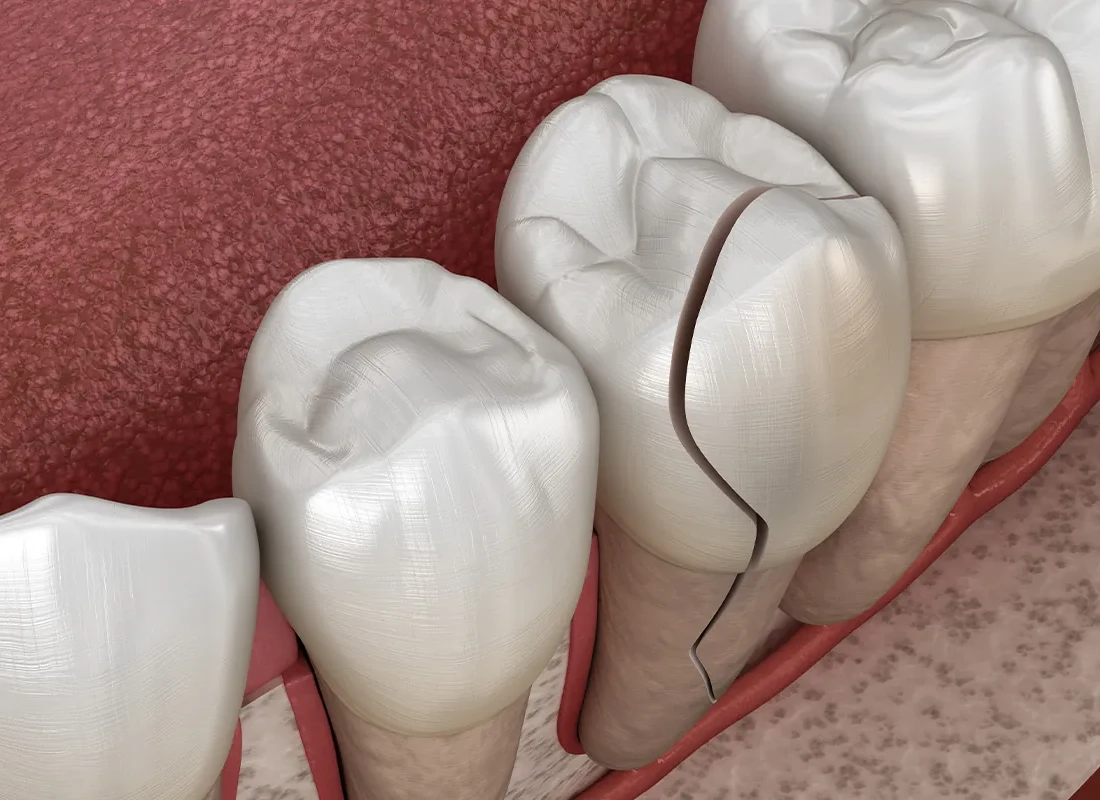
It happens fast. One unexpected bite into an olive pit at a dinner party or a stray bit of shell in a beautifully plated dish, and suddenly the evening takes a different turn. The good news is that to break a tooth, even dramatically, rarely calls for the level of panic patients first feel. Modern emergency dentists are well-equipped to handle these situations gracefully, often restoring the tooth in a single comfortable visit. A clear plan in the first few minutes makes the entire experience much smoother.
Key Takeaways
- Stay calm and rinse gently with warm water to assess the situation.
- Save any broken pieces in milk or saliva in case they can be reattached.
- Apply a cold compress to manage swelling and use over-the-counter pain relief as needed.
- Most broken teeth can be restored beautifully with modern materials and techniques.
- Same-day appointments are common, especially for visible front-tooth breaks.
Why Hard Foods Cause More Breaks Than You Would Expect
Even the most well-cared-for teeth can break under the right circumstances. Olive pits, lobster shells, hard candies, ice cubes, and bones in beautifully plated dishes are some of the most common culprits. The bite force generated during chewing is often several times stronger than people realize, and one unlucky angle can crack even strong enamel.
Teeth that already have older fillings, deep grooves, or hairline cracks are even more susceptible. Years of normal use can weaken enamel from the inside out, which is why some breaks happen on foods that seem perfectly soft.
What to Do in the First Five Minutes After You Broke a Tooth
The immediate steps make a real difference in how the rest of the experience unfolds:
- Rinse with warm water: This clears debris and helps you assess the area without irritation.
- Save the pieces: Place any broken fragments in a small container of milk or saliva to keep them viable.
- Use a cold compress: Applied to the outside of the cheek, it helps reduce swelling and discomfort.
- Cover sharp edges: A small piece of sugarless gum or dental wax can shield your tongue and cheek until you reach the dentist.
- Call your dentist: Most offices set aside same-day slots for situations like this, especially for visible front teeth.
What to Expect From Your Visit to the Dentist
Modern restorative dentistry has come a long way, and most broken teeth can be repaired in ways that look completely natural. For small breaks, cosmetic bonding can rebuild the missing area in a single visit. The dentist applies a tooth-colored composite material, sculpts it into the right shape, and polishes it so the repair blends in with the surrounding teeth.
For larger breaks, porcelain veneers or crowns offer durable, beautiful, long-term solutions. Same-day crowns are now widely available thanks to digital scanning and in-office milling technology, which means many patients walk out with a permanent restoration the same afternoon. The result looks polished, feels natural, and holds up to everyday wear with ease.
Protecting Your Smile Going Forward
Once your tooth has been restored, a few simple habits help prevent the next surprise. Wear a nightguard if you grind your teeth, since clenching at night creates the kind of microcracks that lead to bigger breaks down the road. Cut hard foods into smaller pieces, particularly when you are dining out and unsure what is hiding in a dish.
Routine dental visits are also a quiet form of prevention. Your dentist can spot teeth that are showing signs of weakness and recommend reinforcement before they crack on their own. Catching a vulnerable tooth early is much easier than rescuing a broken one.
Frequently Asked Questions
How quickly should I be seen after I break a tooth?
Within 24 hours is ideal, and same-day care is recommended if the break involves pain, sharp edges, or a visible front tooth. The sooner the repair happens, the more options the dentist has for restoring the tooth comfortably and naturally.
Can a broken tooth be saved if a large piece comes off?
In most cases, yes, especially when the underlying root and inner pulp are still healthy. Crowns, veneers, and bonding can restore the appearance and function of the tooth even when a substantial amount of structure has been lost.
Will the restored tooth look different from my other teeth?
Modern materials are designed to match the color, texture, and light reflection of natural enamel. Most patients say the repair is impossible to identify in everyday conversation, and even close inspection reveals very little difference.
Back to Your Best in No Time
A broken tooth is a frustrating interruption, but rarely the disaster it feels like in the moment. A quick rinse, careful handling of the broken pieces, and a prompt call to an experienced emergency dentist tend to deliver a smooth, satisfying outcome. Most patients are back to their normal routine within a day or two, often with a smile that looks just as polished as it did before the unexpected bite.
- If you want to learn more about urgent dental care, visit our Emergency Dentist in Beverly Hills, CA, page to schedule a consultation.