Patient Education
Understanding Periodontal Disease (Gum) Disease?
Educational guide for Beverly Hills patients to learn more about periodontal disease and how to protect and maintain gum health.
Last updated August 10, 2025
Periodontal disease is one of the most common oral health conditions affecting adults, yet many people don’t fully understand what it is or how it can impact their overall health. This comprehensive guide will help you learn about gum disease, from its early warning signs to advanced treatment options, so you can take proactive steps to protect your smile and your health.
What is Periodontal (Gum) Disease?
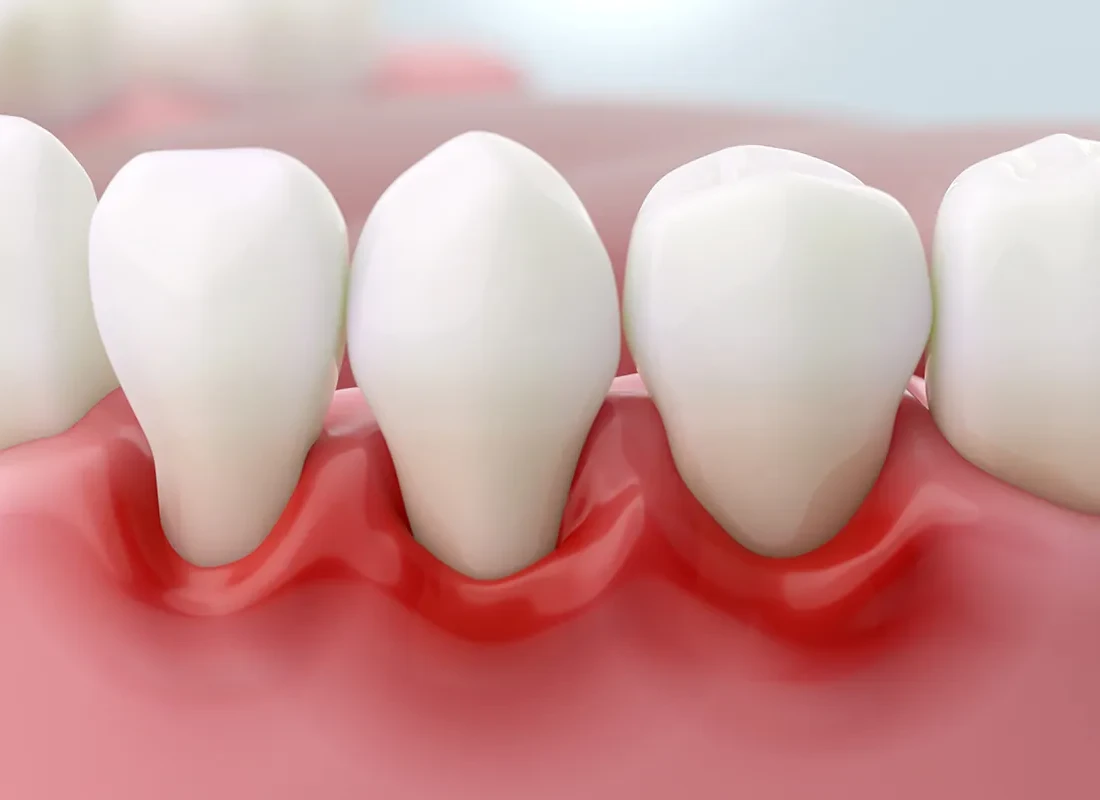
Periodontal disease, commonly known as gum disease, is a bacterial infection that affects the tissues surrounding and supporting your teeth. It begins when plaque—a sticky film of bacteria—builds up along the gum line and hardens into tartar. If left untreated, the infection can destroy the gums, ligaments, and bone that hold your teeth in place, potentially leading to tooth loss.
The word “periodontal” literally means “around the tooth,” which perfectly describes how this condition affects the entire support structure of your teeth.
Signs & Symptoms of Periodontal Disease
Recognizing the early warning signs of gum disease is crucial for preventing its progression. Many people with periodontal disease don’t experience pain in the early stages, which is why regular dental checkups are so important.
Watch for these common symptoms:
- Red, swollen, or tender gums that bleed easily during brushing or flossing
- Persistent bad breath or a bad taste in your mouth
- Gums that are pulling away from your teeth
- Loose or separating teeth
- Changes in your bite
- Pus between your teeth and gums
- Teeth that appear longer than before, which occurs when gums recede and expose more of the tooth root
Types of Periodontal Disease
Periodontal disease progresses through several stages, each requiring different levels of treatment and care. Understanding these stages helps you recognize when to seek treatment and what to expect from your care.
Gingivitis
Gingivitis is the mildest form of gum disease, characterized by red, swollen gums that bleed easily. At this stage, the infection hasn’t spread below the gum line, and the condition is completely reversible with proper oral hygiene and professional cleaning.
Periodontitis
Periodontitis represents the more advanced stages of gum disease. Mild periodontitis occurs when the infection spreads below the gum line, causing the gums to pull away from the teeth and form pockets. Moderate periodontitis involves deeper pockets and some bone loss, while severe periodontitis features significant bone loss, deep pockets, and potential tooth mobility or loss.
Causes of Periodontal Disease
While bacterial plaque is the primary cause of periodontal disease, several factors can increase your risk of developing this condition.
Primary Risk Factors
Poor oral hygiene tops the list, as inadequate brushing and flossing allow plaque to accumulate and harden into tartar. Smoking and tobacco use significantly increase your risk and can interfere with healing. Hormonal changes during pregnancy, menopause, or monthly menstruation can make gums more sensitive and susceptible to infection.
Additional Contributing Factors
Certain medications can reduce saliva flow, which normally helps protect your mouth from bacteria. Genetic predisposition also plays a role—some people are simply more susceptible to gum disease regardless of their oral hygiene habits. Other risk factors include stress, poor nutrition, teeth grinding, diabetes, and autoimmune disorders.
Periodontal Disease, Heart Disease, and Stroke
Studies suggest that people with periodontal disease are at higher risk for heart disease and stroke. The bacteria from infected gums can enter the bloodstream and contribute to the formation of arterial plaques, potentially leading to heart attacks or strokes. Additionally, the chronic inflammation associated with gum disease may contribute to inflammation throughout the body. At Beverly Hills Cosmetic Dentistry in Beverly Hills, we work closely with our patients to help them understand how oral health connects to their overall wellness.
Periodontal Disease and Diabetes
People with diabetes are more susceptible to infections, including gum disease, due to their body’s reduced ability to fight bacteria. Severe gum disease can also make it harder to control blood sugar levels, potentially leading to diabetic complications. The chronic inflammation from periodontal disease can increase insulin resistance. For diabetic patients, maintaining excellent oral hygiene and receiving regular periodontal care is essential for managing both conditions effectively.
Periodontal Disease and Pregnancy
Hormonal changes during pregnancy can make gums more sensitive and prone to inflammation, leading to “pregnancy gingivitis.” This condition affects up to 75% of pregnant women and typically appears in the second trimester. Research has also linked severe gum disease to premature birth and low birth weight babies. Professional periodontal care is safe during pregnancy and can help prevent complications that might affect both maternal and fetal health.
Periodontal Disease and Osteoporosis
Both conditions involve bone loss—osteoporosis affects bones throughout the body, while periodontal disease specifically targets the bone supporting your teeth. Some research suggests that women with osteoporosis may be at higher risk for periodontal disease and tooth loss. Some medications used to treat osteoporosis may also affect healing after certain dental procedures, making it important to coordinate care between your dental and medical providers.
Periodontal Disease Diagnosis
Accurate diagnosis of periodontal disease requires a comprehensive examination by a dental professional who can assess the extent of the condition and develop an appropriate treatment plan. During a periodontal evaluation, your dentist or periodontist will measure the depth of pockets around each tooth using a small ruler called a probe. Healthy gums typically have pocket depths of 1-3 millimeters, while deeper pockets indicate gum disease. X-rays help reveal bone loss that isn’t visible during the clinical examination.
Your Beverly Hills dentist will also assess factors such as gum recession, tooth mobility, bite problems, and areas of bleeding or inflammation. This comprehensive evaluation helps determine the stage of disease and guides treatment recommendations.
Treatment for Gum Disease
Treatment for periodontal disease varies depending on the severity of the condition and may range from non-surgical approaches to more advanced procedures.
Non-surgical treatments include professional cleanings to remove plaque and tartar, scaling and root planing (deep cleaning) to remove bacteria from below the gum line, and antibiotic therapy to help control infection. These conservative approaches are often effective for mild to moderate cases.
Surgical treatments may be necessary for advanced cases and can include flap surgery to reduce pocket depths, bone and tissue grafts to regenerate lost structures, and guided tissue regeneration. At Beverly Hills Cosmetic Dentistry in Beverly Hills, we utilize the latest techniques and technologies to provide comfortable, effective treatment options for all stages of periodontal disease.
Periodontal Maintenance
Successful periodontal treatment requires ongoing maintenance to prevent the disease from returning and to preserve your oral health long-term. Professional maintenance visits, typically scheduled every three to four months, are essential for removing bacterial buildup and monitoring your periodontal health. These appointments are more frequent than regular cleanings because people with a history of gum disease are at higher risk for recurrence.
Home care remains crucial and includes brushing twice daily with fluoride toothpaste, daily flossing or using interdental cleaners, and using an antimicrobial mouth rinse if recommended. Your Beverly Hills Cosmetic Dentistry team will provide personalized instructions for maintaining your oral health based on your specific needs and treatment history.
Protecting Your Smile and Health for Life
Understanding periodontal disease empowers you to take control of your oral health and protect your overall well-being. The connections between gum disease and conditions like heart disease, diabetes, and pregnancy complications underscore the importance of maintaining healthy gums throughout your life. While periodontal disease is serious, it’s also preventable and treatable when caught early. By staying informed about the signs and symptoms, understanding your risk factors, and working with your Beverly Hills Cosmetic Dentistry dental team to develop a personalized prevention and treatment plan, you can maintain healthy gums and a beautiful smile for years to come.